Tracing Safeguards in Portable Live Table Interactions and Their Influence on Funding Timelines
Kirjoittanut Klara Richter · 19.8.2026

Tracing Safeguards in Portable Live Table Interactions and Their Influence on Funding Timelines
Portable live table interactions involve real-time dealer sessions accessed through mobile devices where players engage with games such as blackjack and roulette via secure streaming connections, and tracing safeguards refers to the systematic logging and monitoring of security measures that protect these sessions from unauthorized access or data breaches.
These safeguards include multi-factor authentication protocols, end-to-end encryption standards, and continuous session monitoring tools that record every interaction between user devices and central servers. Research from regulatory bodies indicates that such measures create detailed audit trails which operators must maintain to comply with licensing requirements across multiple jurisdictions.
Core Components of Safeguard Tracing Systems
Tracing mechanisms typically integrate device fingerprinting techniques with behavioral analytics that flag unusual patterns during live sessions, while operators log IP addresses, device IDs, and transaction attempts in centralized databases for later review. Data shows that these systems operate in real time yet require periodic human oversight to verify automated alerts, which adds layers to the overall process without necessarily halting gameplay.
Experts have observed that portable platforms face unique challenges because mobile networks introduce variables like signal fluctuations and varying operating systems that demand adaptive security responses. According to findings from the Alcohol and Gaming Commission of Ontario, compliance frameworks require operators to retain interaction logs for a minimum of five years, creating a structured timeline for any post-session investigations.
How Tracing Affects Deposit and Withdrawal Processes
Funding timelines in portable live table environments depend heavily on the verification steps embedded within safeguard tracing, since each deposit or withdrawal triggers cross-checks against stored session data and user profiles. Automated systems scan for matches between current activity and historical records, but discrepancies can extend processing times from minutes to several business days depending on the volume of flagged items.
Studies reveal that enhanced tracing often incorporates geo-location verification and device compatibility checks that run alongside standard payment gateway approvals. When these elements align smoothly, users complete transactions quickly; however, any mismatch activates manual review queues that prioritize regulatory reporting over speed. Figures from industry reports highlight average withdrawal delays of 24 to 72 hours in systems with robust tracing, compared with shorter windows in less monitored environments.
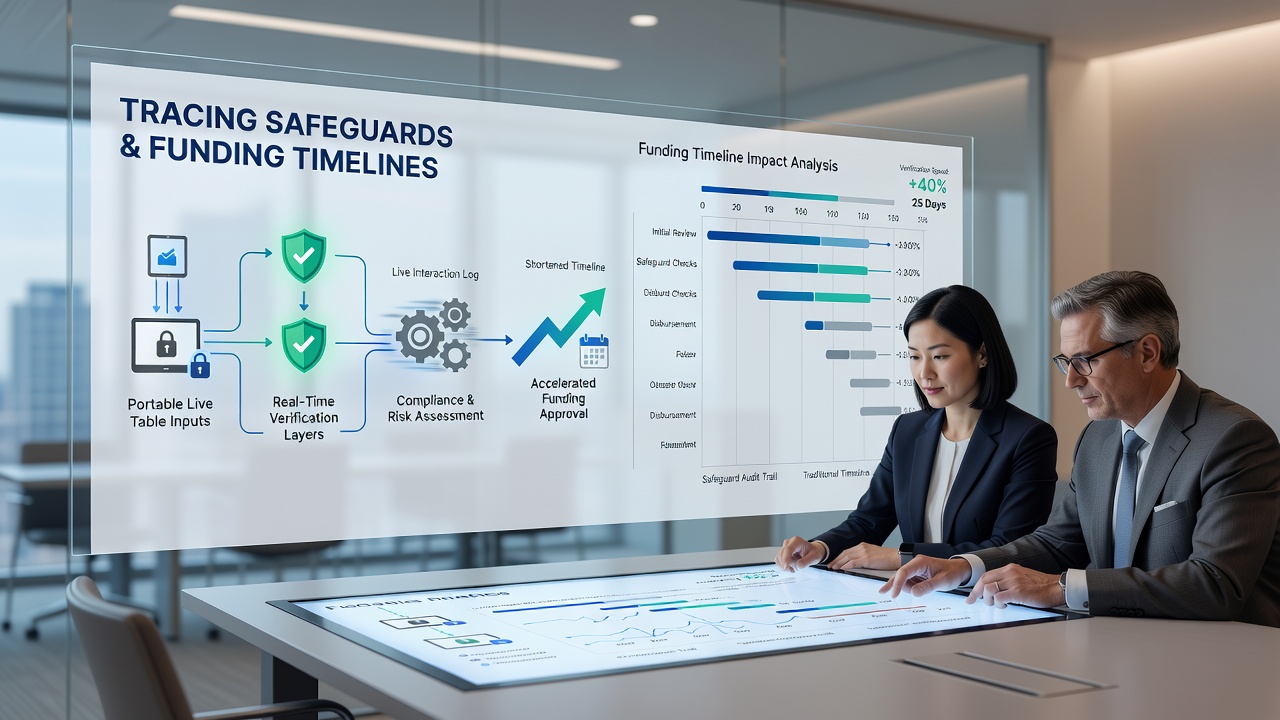
Operators balance these requirements by deploying tiered verification models where low-risk users bypass some checks after initial setup, yet high-volume or new accounts undergo fuller tracing that incorporates live table session history. This approach stems from guidelines issued by bodies such as the Nevada Gaming Control Board, which emphasize proportional security scaling based on transaction size and frequency.
Regulatory Developments and August 2026 Projections
Upcoming changes scheduled for August 2026 include updated data retention mandates in several European markets that will require deeper integration of safeguard tracing with payment processing APIs. These adjustments aim to standardize reporting formats across operators, which could streamline some verification steps while introducing new compatibility testing phases for mobile applications.
Analyses from academic research groups suggest that the shift will influence funding timelines by mandating real-time synchronization between live table logs and banking partners, potentially reducing certain manual interventions but increasing initial setup durations for users. Observers note that platforms already testing these integrations report mixed results, with some seeing faster approvals once systems stabilize and others encountering temporary bottlenecks during rollout.
Industry associations track these trends through annual surveys that measure average transaction completion rates before and after regulatory updates. The data collected helps identify patterns where tracing intensity correlates with seasonal peaks in mobile activity, allowing operators to allocate resources accordingly without compromising security standards.
Case Examples from Operational Environments
One documented scenario involved a European operator that implemented blockchain-based logging for portable live table sessions, which shortened dispute resolution periods from weeks to days by providing immutable records of every interaction and funding event. Another instance from North American platforms showed that combining biometric authentication with existing tracing reduced false positive flags during peak hours, leading to more consistent funding approval rates.
These examples demonstrate how specific tracing configurations interact with local payment infrastructures, since cross-border transactions often encounter additional layers of currency conversion checks tied directly to session verification data. Researchers continue to examine how such integrations evolve as device capabilities advance and regulatory expectations tighten.
Conclusion
Tracing safeguards in portable live table interactions establishes clear connections between security protocols and funding timelines through structured logging, verification workflows, and regulatory compliance requirements. Evidence from multiple oversight organizations indicates that these systems maintain operational integrity while shaping the speed at which users access and retrieve funds, with ongoing developments set to refine the balance between protection and efficiency in the period leading into August 2026 and beyond.